
Latin America Affordability Guide · 2026
Cheapest Places to Buy Real Estate in Latin America
A practical comparison of 12 lower-entry-cost markets—plus the ownership rules, hidden costs, liquidity risks, and due diligence that determine whether an inexpensive property is genuinely good value.
Reviewed September 2026 · Educational guide · Prices and rules change
Start with the right question
“Cheap” is a price. “Affordable” is an investment conclusion.
There is no permanent, universally cheapest place to buy real estate in Latin America. Exchange rates move, listing portals overrepresent certain inventory, neighborhoods differ block by block, and a low asking price may conceal title defects, deferred maintenance, weak utilities, taxes, transfer costs, or a difficult resale.
This guide identifies markets that can offer a lower entry point relative to better-known capitals and resort destinations. It evaluates more than purchase price: local demand, legal clarity, livability, infrastructure, property condition, transaction friction, and the likely buyer pool when you sell.
How the shortlist works
12 markets where entry prices can be relatively accessible
This is an editorial affordability shortlist—not a fixed numerical ranking. It highlights distinct markets, from inland commercial centers and university cities to secondary coastal and colonial destinations.

| Market | Affordability thesis | Potential fit | Primary checks |
|---|---|---|---|
| Armenia, Colombia | Compact Coffee Region market | Lifestyle or local-demand rental | Certificate of tradition and freedom, seller authority, liens. |
| Manizales, Colombia | University demand with hillside risk | Long-term rental or owner-occupier | Geotechnical risk, earthquake resilience, horizontal-property rules. |
| Loja, Ecuador | Lower price, lower liquidity | Patient lifestyle buyer | Registry history, municipal approvals, boundaries. |
| Cuenca, Ecuador | Established demand, uneven pricing | Retirement or medium-term housing | Heritage limitations, condominium accounts, earthquake condition. |
| Asunción, Paraguay | A comparatively accessible capital | Urban residence or managed rental | Title, cadastral identity, developer record. |
| Cochabamba, Bolivia | Low nominal cost, high diligence burden | Experienced buyer with local team | Exact location, border-zone rules, Folio Real. |
| Arequipa, Peru | A major secondary-city economy | Local-demand rental or long hold | SUNARP title, municipal records, structural integrity. |
| Córdoba, Argentina | Demand depth amid currency complexity | Currency-aware long-term investor | Deed and registry records, liens, expensas. |
| João Pessoa, Brazil | Relative coastal value | Coastal residence or managed rental | Matrícula, encumbrances, permits. |
| Mérida, Mexico | Value beyond resort hubs | Residence or locally managed renovation | Deed, registry and cadastral match, utilities. |
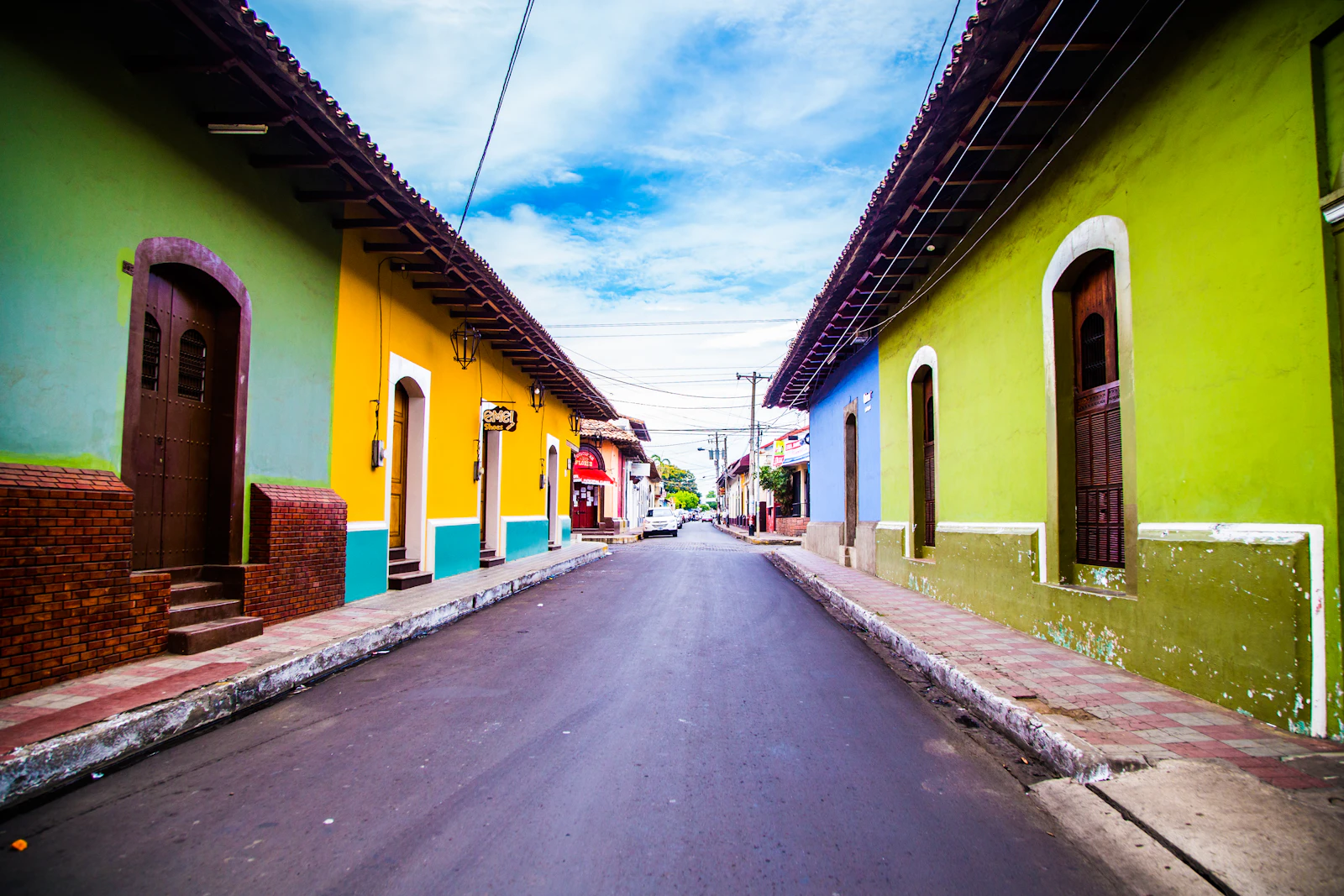
| León, Nicaragua | Colonial character with country risk | High-risk-tolerance lifestyle buyer | Complete title chain, cadastral identity, taxes. |
| Santiago, Dominican Republic | Inland demand beyond the resorts | Local-demand apartment or residence | Certificate of Title, deslinde, liens. |
Market profiles
Where a lower entry price may still support a sound purchase
Each market needs a different underwriting approach. Compare properties within the same micro-location, legal status, condition, and use—not citywide averages alone.
Compact Coffee Region market
Armenia can offer smaller apartments and houses below the entry price of Bogotá, Medellín, and Cartagena. Local employment and regional tourism support demand, but results depend on the barrio, building age, parking, elevator access, and management.
Verify: Certificate of tradition and freedom, seller authority, liens, building permits, condominium debt, utilities, seismic condition, and rental rules.
University demand with hillside risk
Universities, healthcare, and regional services create long-term demand. Attractive views do not compensate for unstable slopes, water intrusion, weak retaining structures, or difficult access.
Verify: Geotechnical risk, earthquake resilience, horizontal-property rules, insurance, access, and realistic tenant demand.
Lower price, lower liquidity
Loja may suit buyers seeking a quieter city and a long holding period. Its smaller market can mean accessible asking prices, but fewer comparable sales and a narrower resale pool complicate valuation.
Verify: Registry history, municipal approvals, boundaries, utilities, construction condition, rental evidence, and resale time.
Established demand, uneven pricing
Cuenca offers healthcare, culture, an airport, local demand, and an established expat community. Historic-center homes, river-adjacent apartments, and turnkey units can carry substantial premiums.
Verify: Heritage limitations, condominium accounts, earthquake condition, title, taxes, accessibility, and rental permissions.
A comparatively accessible capital
Asunción can compare favorably with larger regional capitals and has significant new-apartment supply. Compare completed quality, actual occupancy, building reserves, surrounding supply, and closed—not advertised—prices.
Verify: Title, cadastral identity, developer record, permits, delivery terms, condominium budget, management, and vacancy.
Low nominal cost, high diligence burden
Cochabamba may look inexpensive in foreign-currency terms, but currency access, financing, legal enforceability, ownership eligibility, and resale are central to the result.
Verify: Exact location, border-zone rules, Folio Real, approvals, taxes, funding documentation, and exit mechanics.
A major secondary-city economy
Arequipa has industry, services, tourism, universities, and a large local population. Cheap stock may be distant from demand or require substantial seismic, roof, plumbing, or legal remediation.
Verify: SUNARP title, municipal records, structural integrity, heritage controls, utilities, taxes, and tenant demand.
Demand depth amid currency complexity
Córdoba’s universities and industrial base create a deeper local market than many small cities. Exchange-rate movements can create apparent bargains, but lawful funding and settlement remain essential.
Verify: Deed and registry records, liens, expensas, payment currency, tax treatment, withholding, and exit strategy.
Relative coastal value
João Pessoa has attracted attention as an alternative to costlier Brazilian coastal metros. Rapid repricing, presale delivery risk, beachfront premiums, and condominium costs can erase an apparent discount.
Verify: Matrícula, encumbrances, permits, condominium accounts, coastal or federal-land charges, flood exposure, and comps.
Value beyond resort hubs
Mérida is often more accessible than major Mexican resort markets, but renovated centro homes and favored northern districts have repriced. Older houses may need major roof, electrical, plumbing, pool, and moisture work.
Verify: Deed, registry and cadastral match, utilities, permits, structure, closing costs, and restricted-zone analysis.
Colonial character with country risk
León can combine architectural character with low nominal asking prices. Legal, political, currency, insurance, maintenance, and resale risks must be priced explicitly.
Verify: Complete title chain, cadastral identity, taxes, possession, boundaries, permits, heritage limits, and insurability.
Inland demand beyond the resorts
Santiago de los Caballeros is a major commercial center with local housing demand and less resort exposure. Access, traffic, parking, management, and tenant profile drive performance.
Verify: Certificate of Title, deslinde, liens, seller authority, condominium status, permits, taxes, and rental comparables.
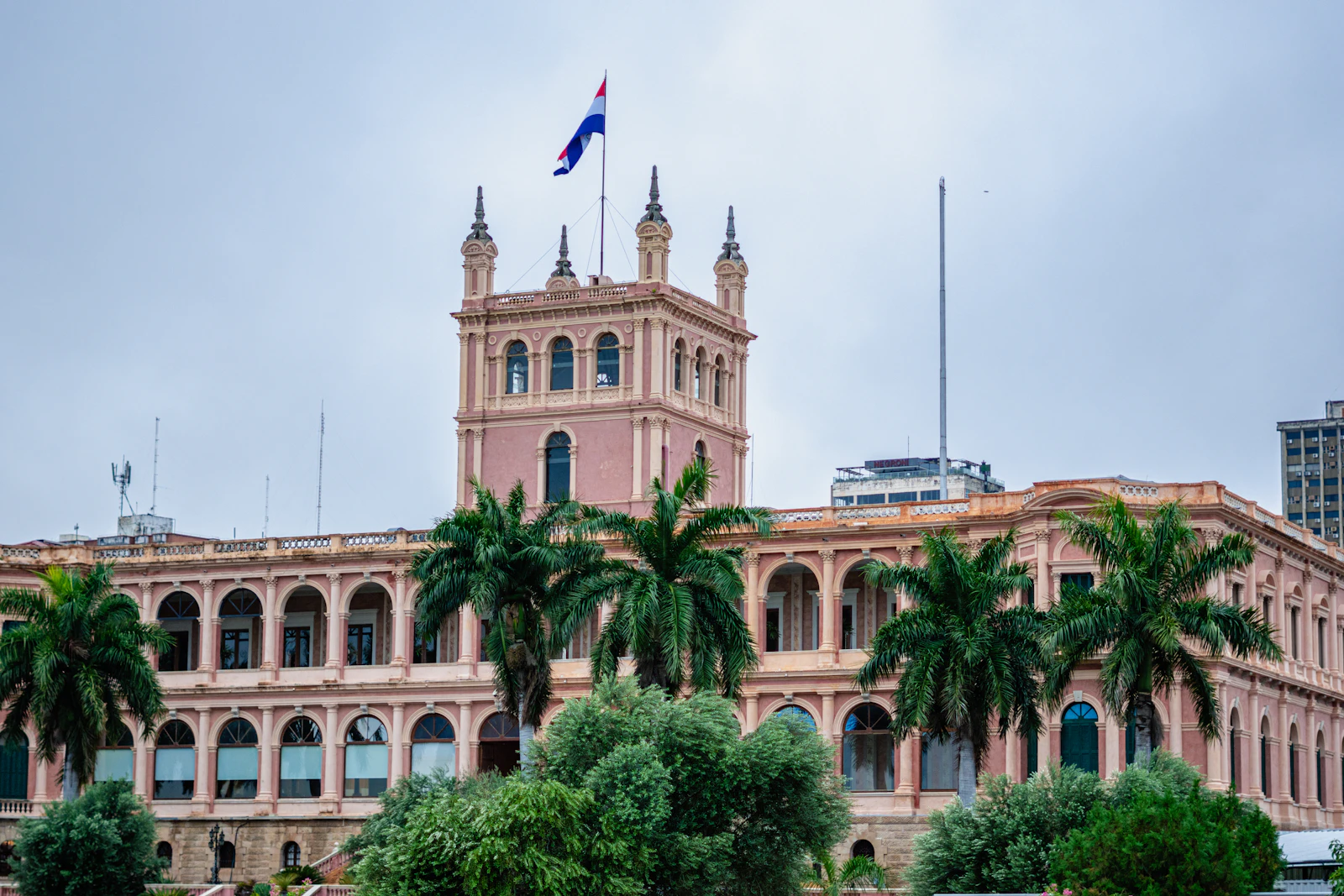
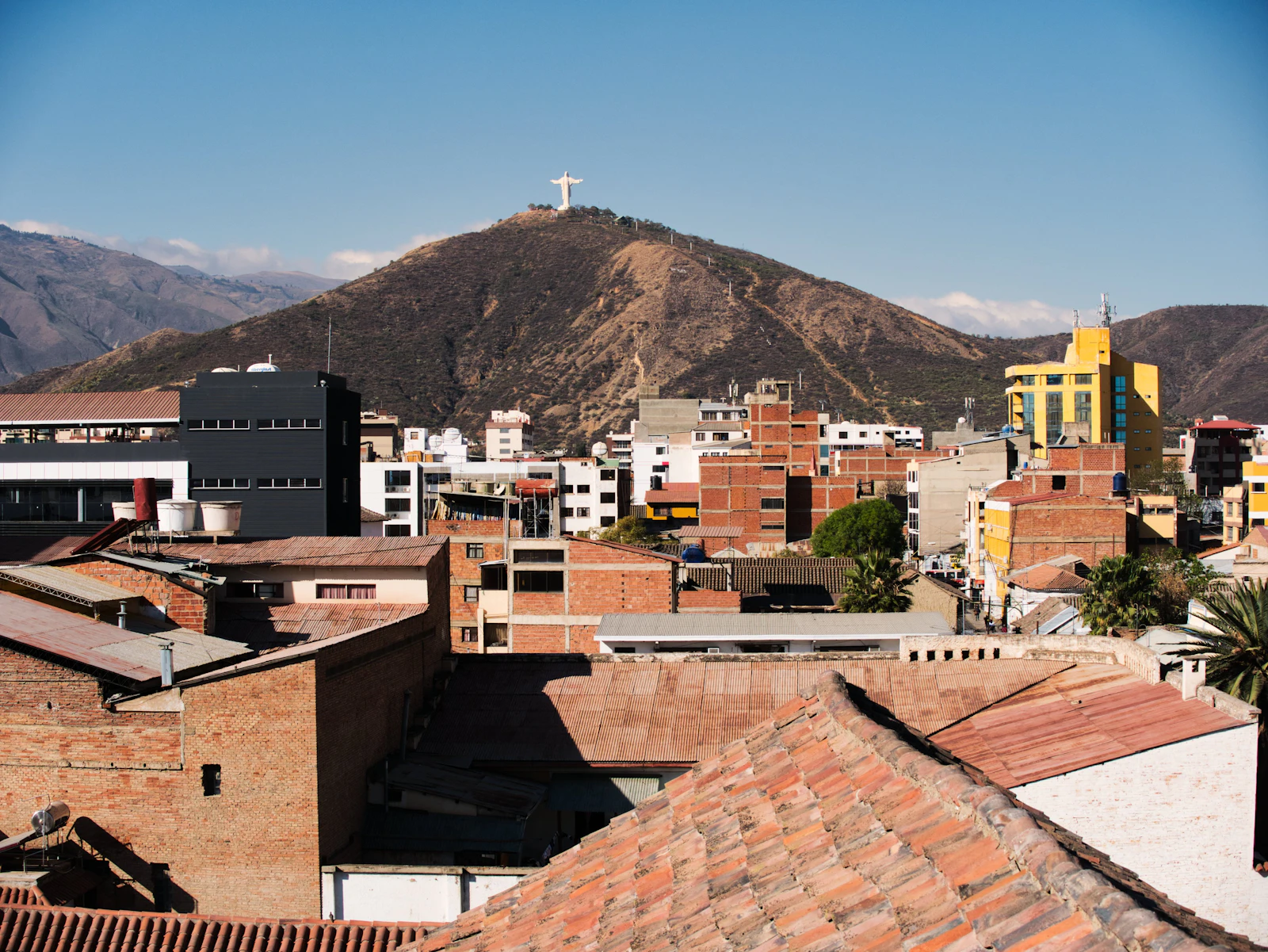
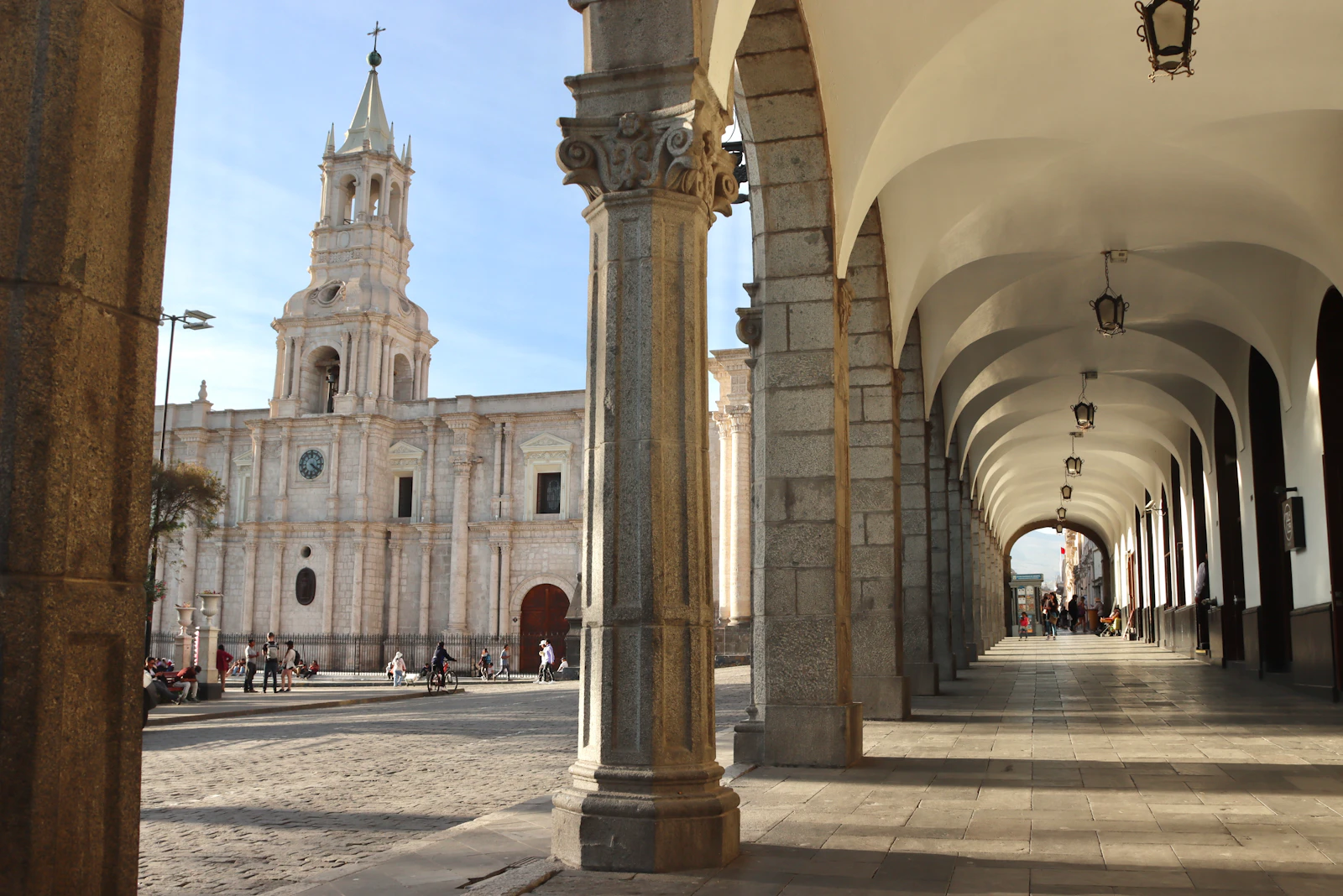
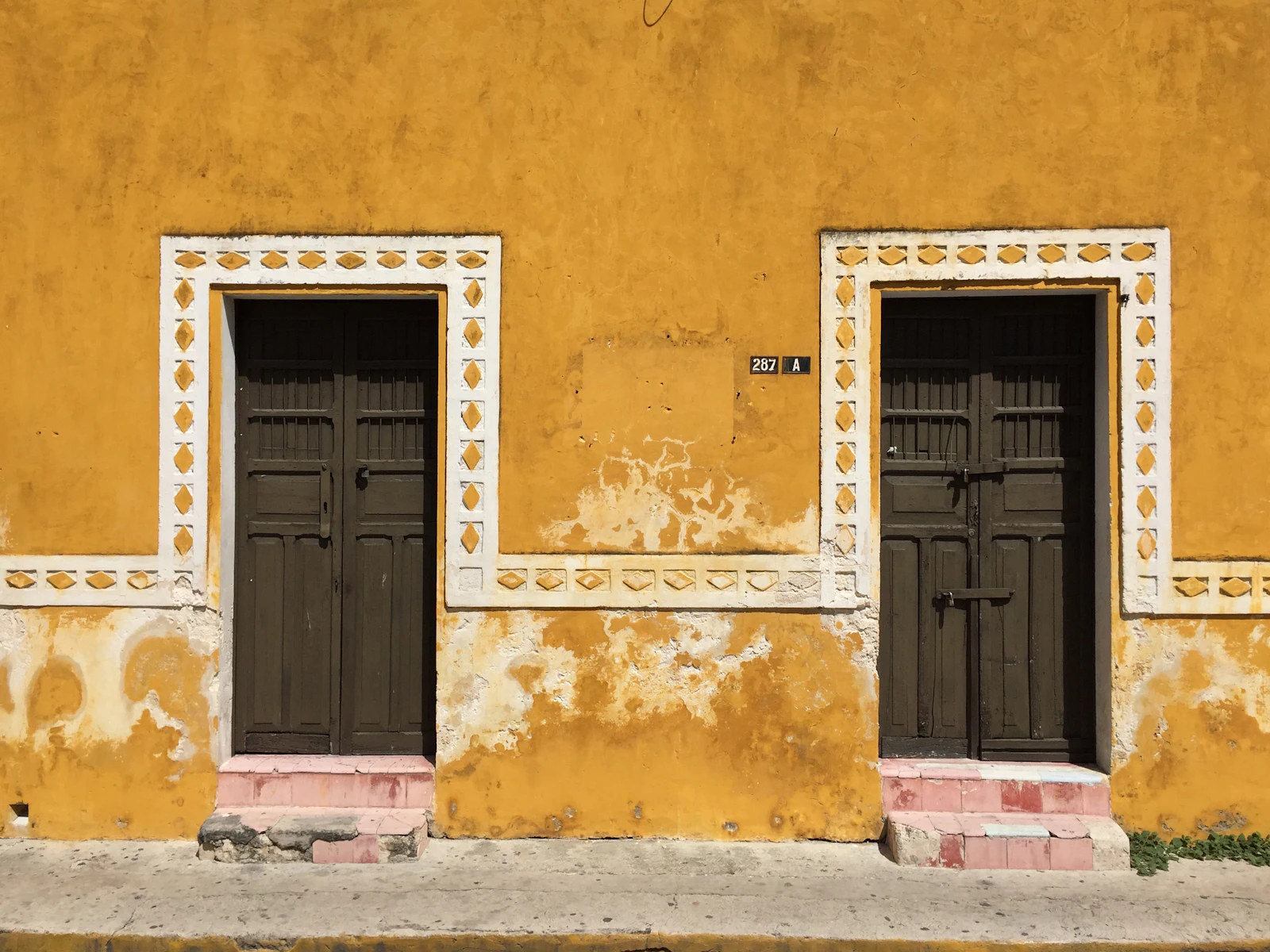
Colonial cities and inland commerce
Affordability stories with very different risk profiles

A repeatable framework
Nine rules for evaluating low-cost real estate
Use closed comparables
Portal listings are asking prices. Seek recent, verifiable closings for the same type, condition, and micro-location.
Calculate all-in basis
Add transfer tax, legal and registry fees, commission, entity or trust costs, renovation, furnishings, financing, and FX.
Clear title first
Verify owner, authority, liens, litigation, marital or estate rights, boundaries, access, occupants, and taxes before a deposit.
Inspect independently
Use your own expert for structure, roof, water, electrical systems, pests, seismic risk, flood, and deferred maintenance.
Prove rental demand
Confirm rental legality, seasonality, vacancy, management, utilities, furnishings, taxes, registration, and platform fees.
Stress currency and tax
Model purchase, income, ownership, and sale in local and home currency, including withholding and repatriation friction.
Price liquidity
Estimate the likely buyer pool, marketing time, discount, documentation, and carrying cost at exit.
Keep advisers independent
Your attorney, inspector, and tax adviser should answer to you—not only to the seller, developer, or listing agent.
Write the exit plan now
Know who may buy, how proceeds can be transferred, which taxes apply, and what work will be required before resale.
14 · Affordable-property due diligence
The low-price checklist to complete before committing
Ownership and authority
Registry-certified title, cadastral identity, seller identity, marital and estate rights, corporate authority, liens, litigation, taxes, possession, and occupants.
Land and access
Surveyed boundaries, legal road access, easements, protected areas, shorelines, concessions, border zones, communal claims, and zoning.
Building and permits
Construction and occupancy approvals, additions, subdivision, condominium creation, heritage controls, violations, and utility legality.
Physical condition
Structure, roof, waterproofing, drainage, plumbing, wiring, pests, retaining walls, seismic performance, flood, and landslide exposure.
Financial reality
Acquisition costs, annual taxes, HOA fees, insurance, utilities, renovation, management, vacancy, reserves, and currency movement.
Operations and exit
Rental permission, registration, reporting, tax collection, management controls, resale documents, withholding, transfer costs, and buyer demand.
Foreign-buyer note: Rules vary by country and parcel. Border, coastline, island, rural, and protected-area rules may require a trust, entity, concession, or authorization—or restrict ownership. Read LiBe’s foreign ownership guide and obtain current local advice.
Sources & standards
Data context and professional disclaimer
This guide uses city-level comparisons as directional context and does not present a fixed price ranking. Public and portal-based data can lag, omit property condition, and use different methodologies.
- Global Property Guide: Square Meter Prices in Latin American Cities (2026)
- Numbeo: America Property Prices Index by City, 2026 Mid-Year
- LiBe: Buying Property Abroad—A Complete Guide
- LiBe: Can Foreigners Buy Property in Latin America?
Editorial standard: Sources and market framing reviewed September 2026. Prices, exchange rates, taxes, ownership restrictions, fees, rental regulations, and market conditions change without notice.
Professional disclaimer: General educational information only—not legal, tax, investment, appraisal, engineering, immigration, insurance, or brokerage advice. “Affordable,” “lower cost,” and “cheap” are relative descriptions, not promises of value, availability, return, safety, or resale. Verify the rules, records, condition, costs, and evidence for the specific property with independent licensed professionals.
Our services
Support for buying, selling, and owning property
Individual Property Sales
Present a property to qualified local and international audiences with professional positioning and marketplace visibility.
Explore individual salesBrokerage Services
Support for property searches, market navigation, negotiation, and coordinated transaction guidance.
Explore brokerage servicesProperty Management
Operational support for rentals, maintenance coordination, property oversight, and owner reporting.
Explore property managementYour property. Your choice. Our expertise.
Find Your PropertyAcross the Americas
Explore properties or connect with LiBe to discuss your real estate goals, property search, marketing needs, or investment opportunities across the Americas.
Your property. Your choice. Our expertise.
Find Your Property Across the Americas
Explore properties or connect with LiBe to discuss your real estate goals, property search, marketing needs, or investment opportunities across the Americas.
Explore PropertiesContact Us


